Blended Learning
Blended learning is an instructional approach that combines multiple learning modalities into a single learning experience or learning journey. Rather than relying on only one delivery method, blended learning intentionally combines approaches such as instructor-led training (ILT), virtual instructor-led training (VILT), eLearning, coaching, discussion forums, video learning, assessments, on-the-job activities, social learning, and self-paced content.
A blended learning program might include:
- A pre-work eLearning course
- A live classroom or virtual session
- Follow-up coaching
- Peer discussions
- Practice activities
- Reinforcement microlearning
- Job aids or performance support tools
The goal of blended learning is to leverage the strengths of different modalities to improve learner engagement, flexibility, knowledge retention, and real-world application. Some learning activities may occur synchronously (live and in real time), while others occur asynchronously (self-paced and completed independently).
Blended learning has been widely used in corporate learning for decades because it allows organizations to create more flexible and scalable learning experiences. Rather than requiring learners to spend all their time in a classroom, blended learning distributes learning across multiple touchpoints, helping learners absorb and apply information over time. This layered approach often improves reinforcement and learning transfer.
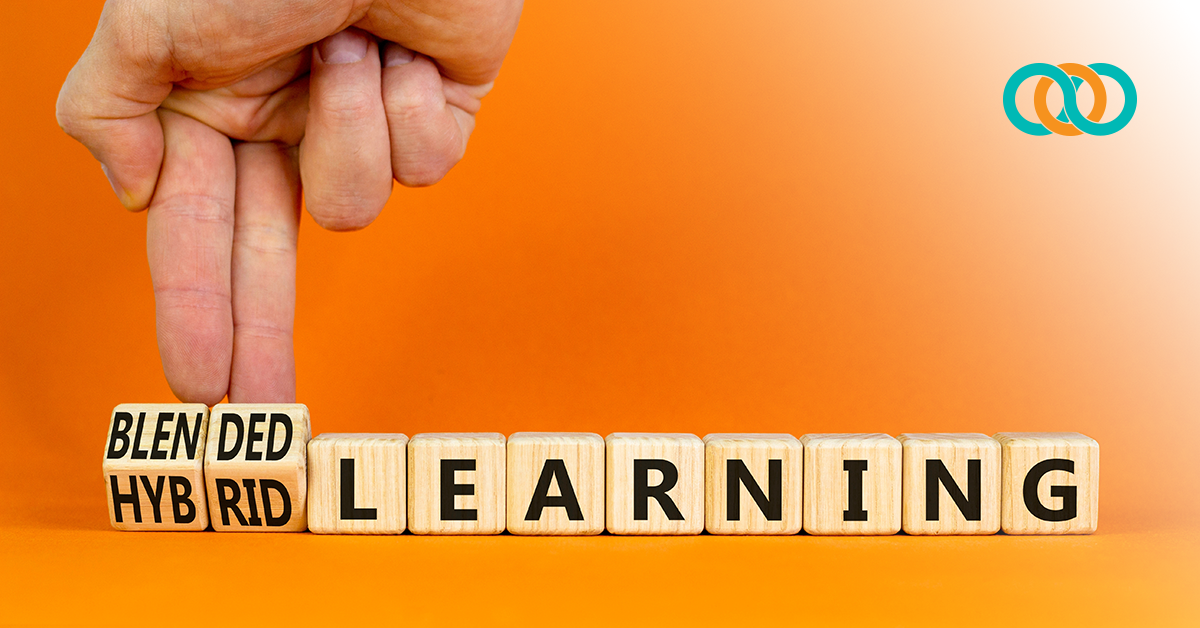
Blended learning is sometimes confused with hybrid learning, but the terms are not interchangeable. In blended learning, different learning activities occur across multiple modalities and often at different times. Hybrid learning specifically refers to delivering instruction simultaneously to both in-person and virtual learners during the same live session.
Effective blended learning programs require thoughtful instructional design. Strong blended learning solutions intentionally align each learning modality to the desired business outcomes, learner needs, and performance goals rather than simply combining formats for convenience. Many organizations work with instructional designers, learning strategists, eLearning developers, facilitators, and learning experience designers to build cohesive blended learning experiences.
See also:
When you have more projects than people™, TrainingPros can provide the right L&D consultant to start your project with confidence.

Articles Related to Blended Learning:



Blended and Hybrid Learning Through the Lens of Learning Experience Design
Read more here
Blended Learning TrainingPros Case Studies:



TrainingPros' Awards for Blended Learning:
Frequently Asked Questions
About Blended Learning:
What is blended learning in corporate training?
In corporate learning, blended learning combines multiple learning methods into a coordinated learning experience. A blended program may include classroom instruction, virtual sessions, eLearning, coaching, discussion forums, assessments, videos, and performance support resources.
Why do organizations use blended learning?
Organizations use blended learning because it provides flexibility, scalability, and stronger learner engagement. It also allows learners to absorb information over time through multiple touchpoints instead of relying on a single training event.
What technologies are used in blended learning?
Blended learning programs often use Learning Management Systems (LMSs), virtual classroom platforms like Zoom or Teams, authoring tools such as Articulate Storyline or Rise, discussion platforms, mobile learning apps, video tools, and learning analytics systems.
Is blended learning more effective than classroom training alone?
In many situations, blended learning can improve engagement and retention because learners interact with content in multiple ways over time. However, effectiveness depends on the quality of the instructional design, learner support, facilitation, and alignment to business goals rather than simply combining delivery methods.
What role do instructional designers play in blended learning?
Instructional designers help determine which learning modalities are best suited for the content, audience, and business objectives. They design how the various learning components work together to create a cohesive learner experience.