Blended Learning Design
What is Blended Learning Design ?
Blended Learning Design is the intentional process of combining multiple learning modalities such as instructor-led training (ILT), virtual instructor-led training (VILT), eLearning, self-paced content, coaching, and on-the-job application into a cohesive learning experience that supports performance over time.
In corporate learning, blended learning design is not simply about mixing formats. It’s about deciding what should be taught, how it should be delivered, and when it should occur based on how people actually learn and apply skills in their roles. A well-designed blended approach aligns learning to real work, giving learners opportunities to build knowledge, practice skills, receive feedback, and apply what they’ve learned in meaningful ways.
Blended learning is often used for initiatives like leadership development, onboarding, sales enablement, and large-scale change efforts where a single learning format is not enough to drive behavior change.
What Is Included in Blended Learning Design?
A strong blended learning design typically includes:
Modality Selection
Choosing the right mix of ILT, VILT, eLearning, and performance support based on learning goals.
Learning Journey Mapping
Structuring the experience over time rather than delivering everything at once.
Pre-Work and Preparation
Foundational content delivered before live sessions to maximize interaction time.
Facilitated Experiences
Instructor-led or virtual sessions focused on discussion, practice, and application.
Application Activities
Opportunities for learners to apply skills in their real work environment.
Reinforcement and Follow-Up
Ongoing support through coaching, job aids, or microlearning.
Measurement Strategy
Defining how success will be evaluated across the full learning journey.
See also:
When you have more projects than people™, let TrainingPros provide you with the right consultant to start your project with confidence.
Why Blended Learning Makes Business Sense
Articles Related to Blended Learning Design:
Frequently Asked Questions About
Blended Learning Design:
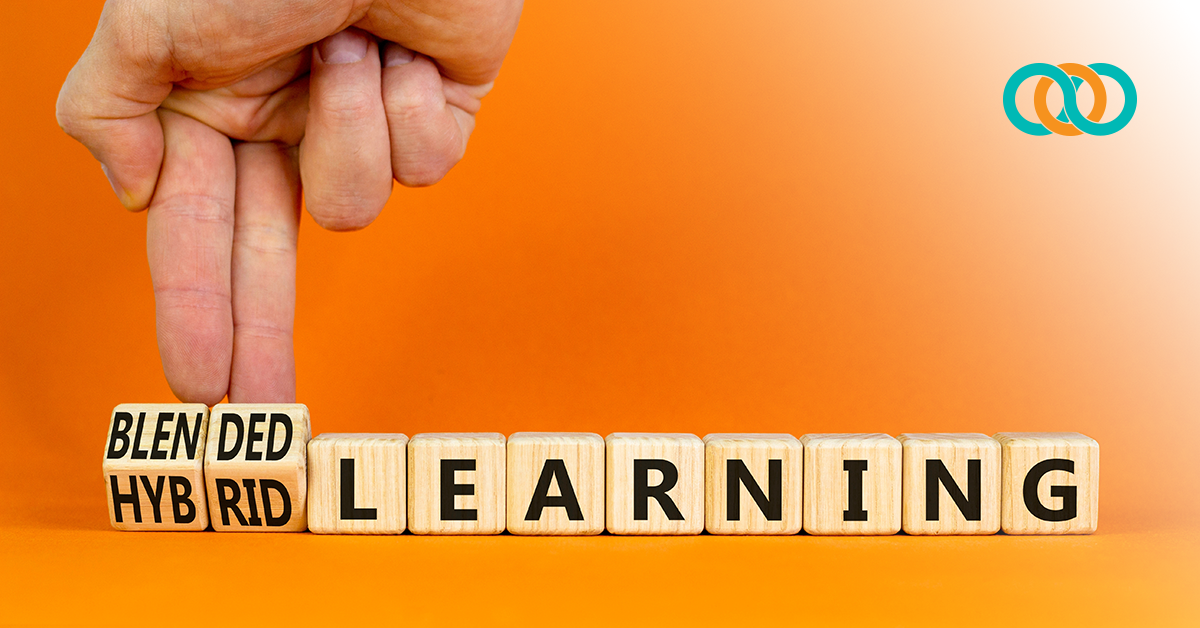
What is the difference between blended learning and hybrid learning?
Blended learning combines multiple learning formats over time (eLearning, ILT, coaching, etc.). Hybrid learning typically refers to delivering a single session to both in-person and virtual participants at the same time.
When should organizations use blended learning design?
Blended learning is most effective for complex topics, behavior change, leadership development, onboarding, and any initiative where learners need time to practice and apply new skills.
Is blended learning always better than eLearning or ILT alone?
Not always. Blended learning is most valuable when a single modality cannot achieve the desired outcome. For simpler topics, a focused eLearning or ILT solution may be more efficient.
How long should a blended learning program be?
There is no fixed length. Effective blended programs are structured over time to allow for learning, practice, and reinforcement. The timeline depends on the complexity of the skills being developed.
What are common mistakes in blended learning design?
Common mistakes include:
- Using multiple formats without a clear strategy
- Overloading learners with too much content
- Failing to include real-world application
- Not aligning learning activities to business outcomes
How do you measure the success of blended learning?
Success is measured across multiple levels, including learner engagement, knowledge retention, behavior change, and business impact. A strong measurement strategy is defined during the design phase.
Do you need an instructional designer for blended learning design?
Yes. Blended learning design requires thoughtful decisions about modality, sequencing, and application. Instructional designers ensure the experience is cohesive, effective, and aligned to business goals.
How do contract instructional designers support blended learning design?
Contract instructional designers bring experience across different modalities and industries. They can help organizations design and build blended programs quickly, especially when internal teams lack capacity or specific expertise.